
A Fall That Didn’t Add Up: How Investigators Uncovered the Truth Behind the Harold Henthorn Murder Case
Category
True Crime | Criminal Investigation | Real Stories
Tags
Harold Henthorn, Toni Henthorn, Rocky Mountain National Park, True Crime, Criminal Investigation, Colorado Crime, FBI, Real Story, Forensic Investigation, United States

Some criminal investigations begin with a suspicious phone call. Others start with a missing person report or an eyewitness account. The investigation into the death of Toni Henthorn began with what appeared to be a tragic hiking accident in one of America’s most beautiful national parks.
On September 29, 2012, Toni Henthorn and her husband, Harold Henthorn, were hiking in Colorado’s Rocky Mountain National Park to celebrate their 12th wedding anniversary. During the outing, Toni fell from a rocky overlook and died.
At first glance, the incident looked like a heartbreaking accident.
However, experienced investigators noticed several unusual details that did not fit the initial explanation. Those observations triggered a meticulous investigation that eventually uncovered one of the most carefully planned murder cases in recent American history.
This is the true story of how investigators followed the evidence, challenged assumptions, and ultimately brought the perpetrator to justice.
A Celebration That Turned Into a Mystery
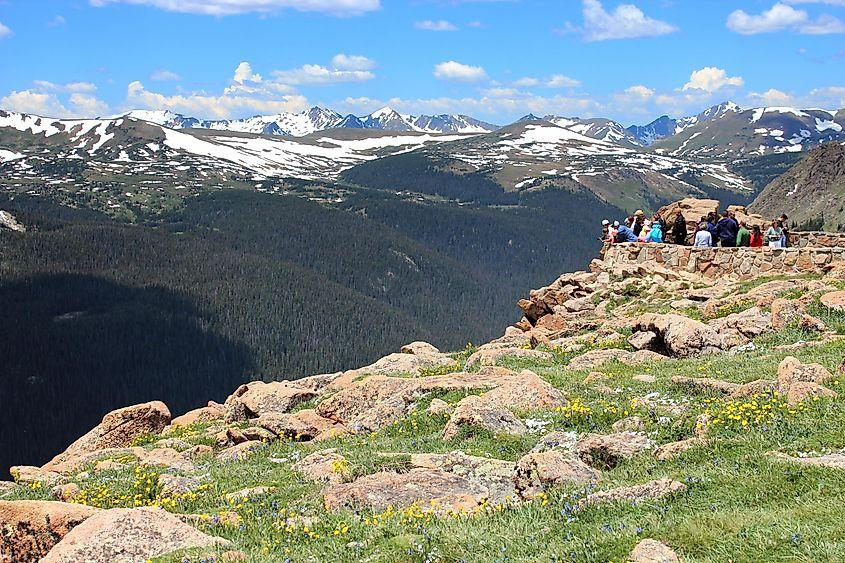
Harold and Toni Henthorn had traveled to Rocky Mountain National Park to celebrate their anniversary. The park, famous for its mountain views, alpine lakes, and scenic hiking trails, welcomes millions of visitors each year.
According to Harold, the couple had spent the afternoon hiking before stopping near a scenic overlook to enjoy the landscape. He later told emergency dispatchers that Toni had accidentally fallen from a rocky ledge.
Emergency responders arrived as quickly as possible, but Toni could not be saved.
Initially, the event appeared consistent with a hiking accident. Falls can occur in mountainous terrain, and investigators carefully documented the scene while treating it as an accidental death pending further review.
Yet several experienced investigators felt something deserved a closer look.
Small Details Raise Big Questions
Detectives and park investigators carefully reconstructed the couple’s movements throughout the day.
They learned that Harold had chosen a trail that was considerably more remote than other scenic locations nearby. Family members later questioned why that particular destination had been selected for an anniversary outing.
Investigators also examined Harold’s statements.
Although they remained generally consistent, some details regarding the timeline and the exact location of the fall appeared difficult to reconcile with the physical evidence collected at the scene.
These inconsistencies alone were not enough to suggest a crime, but they justified a more thorough investigation.
Rather than rushing to conclusions, detectives began verifying every aspect of the couple’s activities before and during the hike.
Building a Timeline
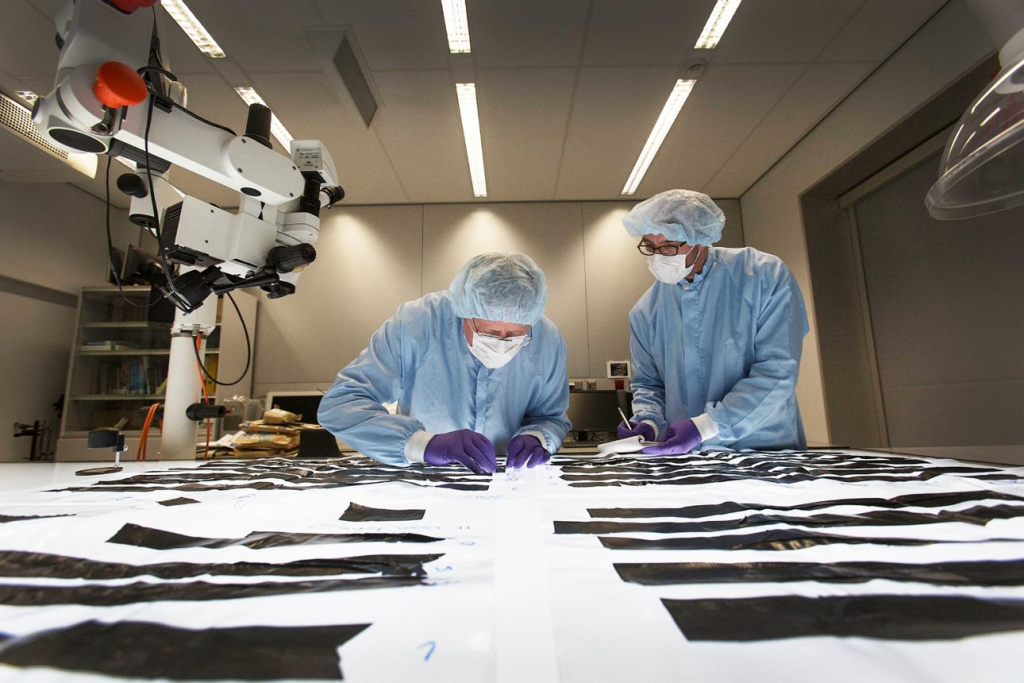
A successful investigation often depends on creating an accurate timeline.
Agents interviewed relatives, friends, coworkers, emergency responders, and park employees. They reviewed photographs taken during the trip, cellphone records, GPS information, and travel documents.
Investigators also studied the terrain itself.
Specialists visited the overlook multiple times to understand visibility, walking routes, and whether the reported sequence of events matched the physical landscape.
Every observation was carefully documented.
Piece by piece, investigators built a clearer picture of the day.
Looking Beyond the Hiking Trail

As detectives examined Harold Henthorn’s background, they uncovered information that expanded the investigation.
They learned that Harold’s first wife, Lynn Henthorn, had died years earlier under unusual circumstances while the couple was changing a tire on a remote road.
At the time, that death had been ruled accidental.
Although investigators did not immediately conclude the two cases were connected, the similarities encouraged them to review older records and insurance documents.
Financial investigators discovered that Harold had purchased substantial life insurance policies covering Toni.
The existence of multiple policies did not prove criminal intent, but it added another important piece to the overall investigation.
Rather than focusing on one clue, detectives examined how each discovery fit into the broader picture.
The Role of Forensic Science
Modern forensic techniques played a crucial role in evaluating the evidence.
Experts examined photographs from the hiking trip, analyzed the terrain, reviewed emergency communications, and studied physical evidence collected during the investigation.
Digital records proved especially valuable.
Cellphone data, emails, financial records, and insurance documents helped investigators establish a detailed chronology of events before and after Toni’s death.
Forensic specialists also evaluated whether Harold’s description of the accident was consistent with the physical characteristics of the overlook.
While each individual finding was limited, together they painted a compelling narrative that challenged the original explanation.
A Federal Investigation
Because the incident occurred inside Rocky Mountain National Park, federal authorities joined the investigation.
The FBI worked alongside the National Park Service, forensic experts, and federal prosecutors.
This collaboration allowed investigators to combine scientific analysis, financial investigations, witness interviews, and legal expertise.
Over many months, the team continued gathering evidence rather than rushing to file charges.
Their goal was to build a case that could withstand careful examination in court.
The Arrest
In 2014, after nearly two years of investigation, federal authorities arrested Harold Henthorn.
Investigators stated that the decision resulted from extensive evidence collected during the investigation rather than any single discovery.
The arrest marked the culmination of hundreds of interviews, forensic examinations, financial reviews, and detailed reconstruction of the hiking trip.
For Toni Henthorn’s family, the announcement brought hope that long-standing questions would finally be answered.
The Trial
During the federal trial, prosecutors presented a comprehensive case built largely on circumstantial evidence supported by forensic analysis.
Jurors heard testimony from investigators, forensic specialists, financial experts, and individuals familiar with the Henthorns.
Rather than relying on eyewitnesses, prosecutors demonstrated how multiple independent pieces of evidence aligned with one another.
The defense argued that Toni’s death was a tragic accident.
After reviewing the evidence, the jury found Harold Henthorn guilty of first-degree murder in the death of his wife.
In 2015, he was sentenced to life in federal prison without the possibility of parole.
Why This Investigation Matters
The Henthorn investigation is now frequently cited by law enforcement professionals because it illustrates several important investigative principles.
First, investigators avoided making assumptions based solely on appearances. What initially seemed to be an accident received careful scrutiny because experienced detectives recognized subtle inconsistencies.
Second, the case demonstrated the importance of interdisciplinary cooperation. Local officers, park investigators, forensic scientists, financial analysts, and federal agents all contributed unique expertise.
Finally, the investigation showed how modern criminal cases increasingly depend on digital evidence. Cellphone records, financial transactions, electronic communications, and detailed timelines often become just as important as traditional physical evidence.

Lasting Lessons
Every homicide investigation presents unique challenges. In this case, patience proved essential.
Investigators did not rely on dramatic discoveries or sensational theories. Instead, they methodically collected facts, verified statements, reconstructed timelines, and followed the evidence wherever it led.
The result was a successful prosecution built on careful analysis rather than speculation.
The case also serves as a reminder that experienced investigators examine every unexplained death objectively. Even when circumstances initially appear accidental, evidence must always guide the final conclusions.
Final Thoughts
The death of Toni Henthorn remains one of the most remarkable criminal investigations involving an American national park.
What first appeared to be a tragic hiking accident ultimately became a carefully documented homicide investigation that showcased the value of persistence, scientific analysis, and collaboration among multiple law enforcement agencies.
For investigators, the case reinforced an enduring principle of criminal justice: answers are rarely found through assumptions alone. They emerge through patience, evidence, and a commitment to uncovering the truth.
Today, the Henthorn case continues to be studied as an example of how seemingly ordinary events can conceal extraordinary complexity—and how dedicated investigators can uncover that truth through meticulous work and unwavering attention to detail.
Leave a Reply